


How Nigerian Musicians Make Money: 10 Income Streams Every Artist Should Know
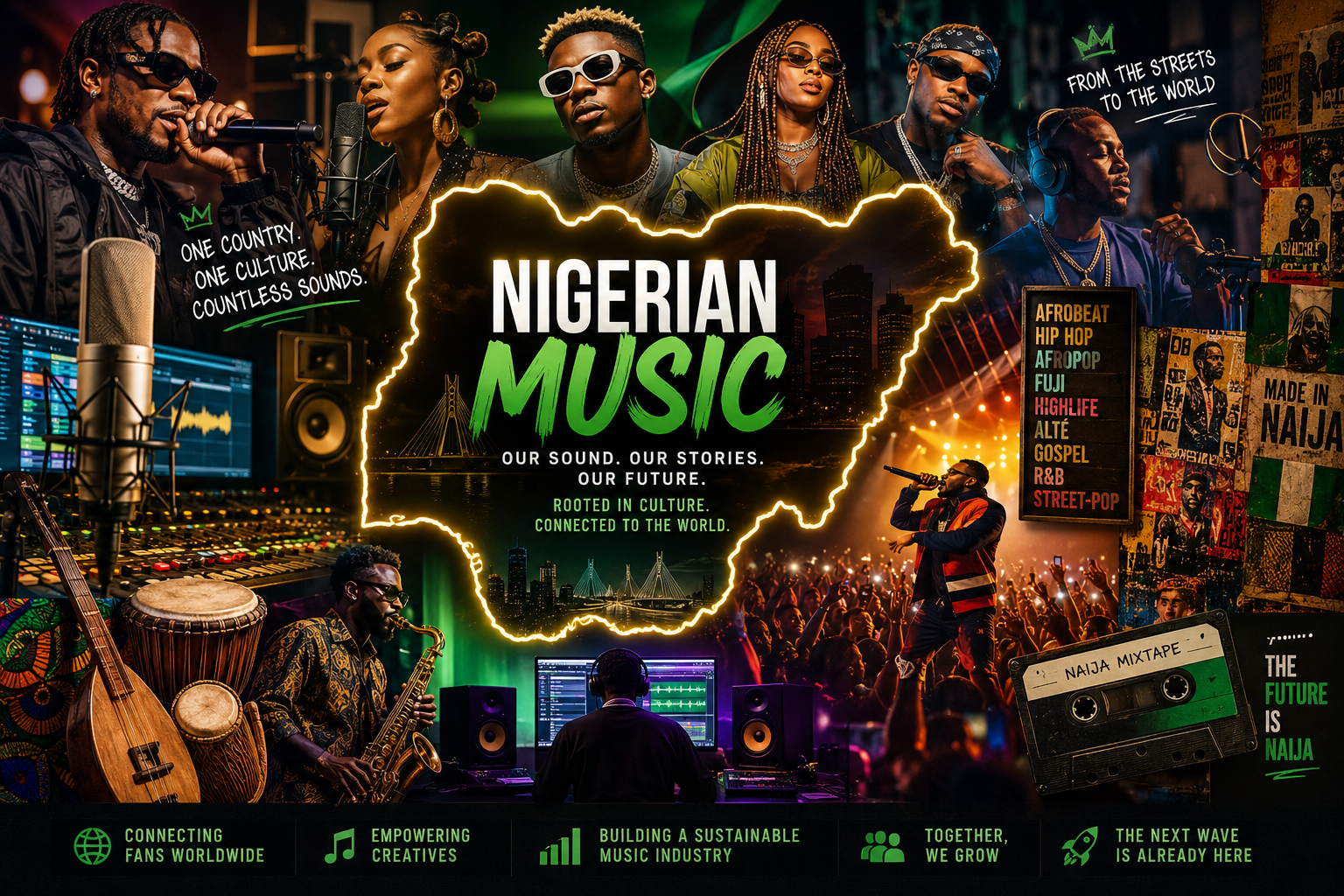
The Nigerian music industry has grown into one of Africa's biggest creative economies, producing globally recognized stars and generating billions of naira in revenue each year. While many people believe musicians only earn money from streaming platforms or music downloads, the reality is far more diverse.
Successful artists often build careers by combining multiple income streams. From live performances and songwriting royalties to brand partnerships and merchandise, today's musicians are entrepreneurs as much as they are entertainers.
Whether you're an aspiring artist, music manager, producer, or simply curious about the business behind the music, understanding these revenue sources is essential.
1. Streaming Revenue
Streaming platforms have become one of the most common ways musicians earn income. Services such as Spotify, Apple Music, Audiomack, Boomplay, YouTube Music, and Deezer pay rights holders whenever listeners stream a song.
However, it's important to understand that artists are generally paid per stream, and the amount varies depending on the platform, the listener's country, subscription type, and contractual agreements. Independent artists who own their master recordings often receive a larger share than artists signed to traditional record deals.
Streaming alone rarely makes an artist wealthy. Instead, it works best when combined with other income sources.
2. Live Performances
For many Nigerian musicians, live performances remain one of the largest sources of income.
Artists can earn from:
-
Concerts
-
Club appearances
-
Music festivals
-
Corporate events
-
Weddings
-
University shows
-
International tours
-
Private performances
As an artist's popularity grows, performance fees often increase significantly. Live shows also provide opportunities to sell merchandise and connect directly with fans, creating additional revenue beyond the performance itself.
3. Performance Royalties
Every time music is played publicly, whether on radio, television, in restaurants, at events, or on certain digital platforms, the songwriter and publisher may be entitled to performance royalties.
These royalties are typically collected and distributed by collective management organizations (CMOs). For artists and songwriters, registering eligible works with the appropriate organizations can help ensure they receive compensation when their music is publicly performed.
Understanding performance rights is an important step toward building a sustainable music career.
4. Songwriting and Music Publishing
Not every successful songwriter is also a performing artist.
Many musicians earn substantial income by writing songs for other artists. Whenever those songs are streamed, performed publicly, broadcast, or licensed, the songwriter may be entitled to publishing royalties, depending on ownership and agreements.
Building a reputation as a skilled songwriter can create long-term income, especially if the songs remain popular for years.
5. Brand Endorsements and Partnerships
As an artist's audience grows, brands may seek partnerships to promote products or services.
These partnerships can include:
-
Ambassador deals
-
Sponsored social media campaigns
-
Television commercials
-
Product launches
-
Event appearances
-
Long-term endorsement contracts
In Nigeria, musicians have partnered with companies across industries such as telecommunications, banking, food and beverages, fashion, and technology.
Strong personal branding and a positive public image often play a major role in attracting these opportunities.
6. Merchandise Sales
Many artists create branded merchandise that fans can purchase to support their favorite musicians.
Common merchandise includes:
-
T-shirts
-
Hoodies
-
Caps
-
Wristbands
-
Posters
-
Vinyl records
-
Limited-edition collectibles
Merchandise not only generates additional income but also strengthens an artist's brand identity and fan community.
7. YouTube Monetization
Music videos are more than promotional tools—they can also become a revenue stream.
Artists who meet YouTube's monetization requirements may earn income through:
-
Advertisements
-
YouTube Premium revenue sharing
-
Channel memberships
-
Super Thanks
-
Fan support features
High-quality music videos, behind-the-scenes content, interviews, and documentaries can help grow an artist's audience while creating additional earning opportunities.
8. Music Licensing
Licensing allows artists to grant permission for their music to be used in other forms of media.
Examples include:
-
Films
-
Television shows
-
Advertisements
-
Documentaries
-
Video games
-
Podcasts
Licensing agreements can provide one-time payments, recurring royalties, or both, depending on the terms of the agreement.
A single placement in a successful film or advertising campaign can significantly increase both an artist's income and exposure.
9. Digital Downloads and Direct-to-Fan Sales
Although streaming dominates today's music industry, digital downloads still have a place in certain markets.
Artists may sell music directly to fans through their websites or specialized digital platforms. Some also offer exclusive releases, deluxe editions, or bonus content that cannot be found on streaming services.
Direct sales can provide higher profit margins because there are fewer intermediaries between the artist and the listener.
10. Business Ventures and Investments
Many successful Nigerian musicians expand beyond music to build long-term financial stability.
Some invest in:
-
Real estate
-
Fashion brands
-
Restaurants
-
Record labels
-
Entertainment companies
-
Technology startups
-
Media businesses
Diversifying income helps reduce dependence on music alone and creates opportunities for wealth that can continue growing throughout an artist's career.
Why Multiple Income Streams Matter
One of the biggest misconceptions in the music industry is that success depends on a single hit song. In reality, sustainable careers are often built through a combination of income sources.
An artist might earn from streaming while also performing at events, writing songs for others, selling merchandise, licensing music for films, and partnering with brands. Together, these revenue streams create a more stable and resilient career.
Final Thoughts
The Nigerian music industry offers more opportunities today than ever before. While talent remains the foundation of success, understanding the business side of music is equally important.
Whether you're an independent artist releasing your first single or an established performer looking to grow your career, learning how different revenue streams work can help you make smarter decisions and build a sustainable future in music.
At NigerianMusic.ng, we're committed to helping artists, industry professionals, and music lovers better understand the people, business, and culture behind Nigerian music.
Related Posts You Might Like
Post Comments (0)
No comments yet. Be the first to comment!


Leave a Comment